World Cup 2026: Weighing the Pros and Cons of Expansion from 32 to 48 Teams
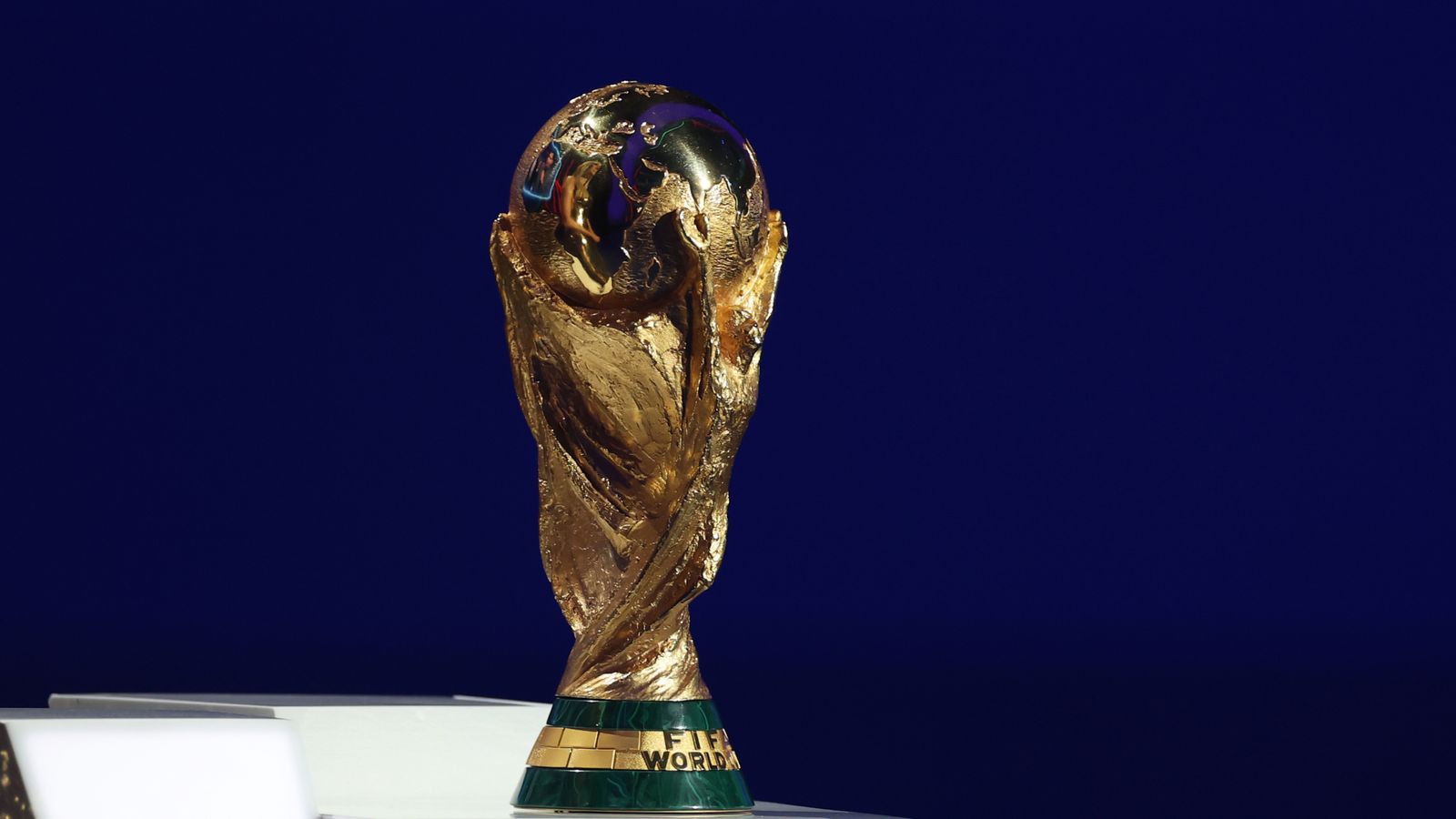
For nearly two decades, the World Cup ran on a familiar formula: 32 teams, eight groups of four, a clean and predictable march to a 16-team knockout bracket. That era is officially over. Starting with the 2026 tournament, jointly hosted by the United States, Canada, and Mexico, FIFA expanded the competition to 48 teams — the biggest structural shake-up in the tournament's history. Now that the dust has settled on the first 48-team edition, it's worth looking at what actually changed, and whether it was worth it.
Why FIFA Expanded in the First Place
The push for expansion dates back to FIFA president Gianni Infantino's 2016 election campaign, when he pledged a bigger, more inclusive World Cup. The FIFA Council unanimously approved a 48-team format in January 2017, though the original plan called for an unusual structure of 16 groups of three teams. That version was later scrapped in favor of something closer to the traditional model: 12 groups of four teams, with the top two from each group advancing, plus the eight best third-place finishers, into a newly added round of 32.
The core argument for expansion was always about global representation. For years, qualification slots were concentrated heavily in Europe and South America, while improving footballing nations in Africa, Asia, the Caribbean, and the Middle East were shut out despite genuine progress. The 2026 tournament made good on that promise: debutants like Jordan, Uzbekistan, Cape Verde, and Curaçao all qualified for the first time, alongside long-absent nations such as Norway, Scotland, and Türkiye.
The Pros
Broader global representation. This is the expansion's clearest win. Smaller footballing nations finally got a realistic path to qualification, and it produced some of the tournament's best stories. Cape Verde's goalkeeper became a viral sensation after his side held Spain to a scoreless draw, and the tiny island nation later drew with Uruguay as well. The Democratic Republic of the Congo battled Portugal to a 1-1 draw. These moments captured global attention in a way a 32-team tournament, dominated by the usual heavyweights, rarely allows.
Bigger economic impact. More teams meant more matches — 104 in total, up from 64 — which translated into more tickets, more broadcast inventory, and significantly more revenue. FIFA projected commercial income gains in the billions for this World Cup cycle, money that flows partly back to member federations through development grants. The 2026 edition also set attendance records during the group stage alone, with the single-host-country format across three large nations minimizing the travel headaches that plague multi-country European tournaments.
Quality held up better than feared. Perhaps the most surprising outcome: the competitive gap between "big" and "small" nations wasn't as dramatic as critics predicted. After the first 24 matches of the 2026 tournament, the average goal difference was roughly in line with the 32-team 2022 World Cup. Yes, there were lopsided results — Germany's 7-1 win over Curaçao and Canada's 6-0 win over Qatar stood out — but they weren't dramatically more common than in previous editions.
No shortened player rest. FIFA structured the tournament so the total combined rest, release, and tournament days stayed identical to the 2010, 2014, and 2018 editions, even with the extra round of knockout football added in.
The Cons
A longer, more grueling tournament. The event now runs 39 days rather than the traditional 32, and finalists play eight matches to win the trophy instead of seven. With most major European leagues resuming just a month after the final, players get a noticeably shorter offseason to recover.
Diluted group-stage stakes. With 32 of 48 teams advancing to the knockout rounds, it's mathematically possible for a team to draw all three group games and still qualify. Critics argue this softens the intensity that has traditionally defined World Cup group play, risking more cautious, low-scoring early matches.
Travel and logistics strain. Spread across 16 venues in three countries, some teams and traveling fans faced serious logistical challenges getting between host cities — a very different experience from a single-city or single-country tournament.
The "money over football" critique. FIFA's own projections made clear that revenue growth was a central motivator, and critics have argued the expansion prioritizes commercial gain over competitive integrity. That criticism has only intensified as FIFA has floated further expansion to 64 teams as soon as 2030, which would deepen concerns about quality dilution and an even more overcrowded calendar.
Where This Leaves the World Cup
The verdict on the 48-team World Cup, at least after its first real-world test, is more nuanced than either side predicted. It didn't collapse into a parade of blowouts, and it delivered some of the most memorable underdog storylines in tournament history. But it also confirmed the trade-offs critics warned about: longer tournaments, softer group-stage stakes, and a governing body that seems intent on going bigger still. Whether that's a price worth paying for a more global game is likely to remain one of football's most persistent debates for years to come.