The Champions League Reinvented: Inside the New Swiss Model
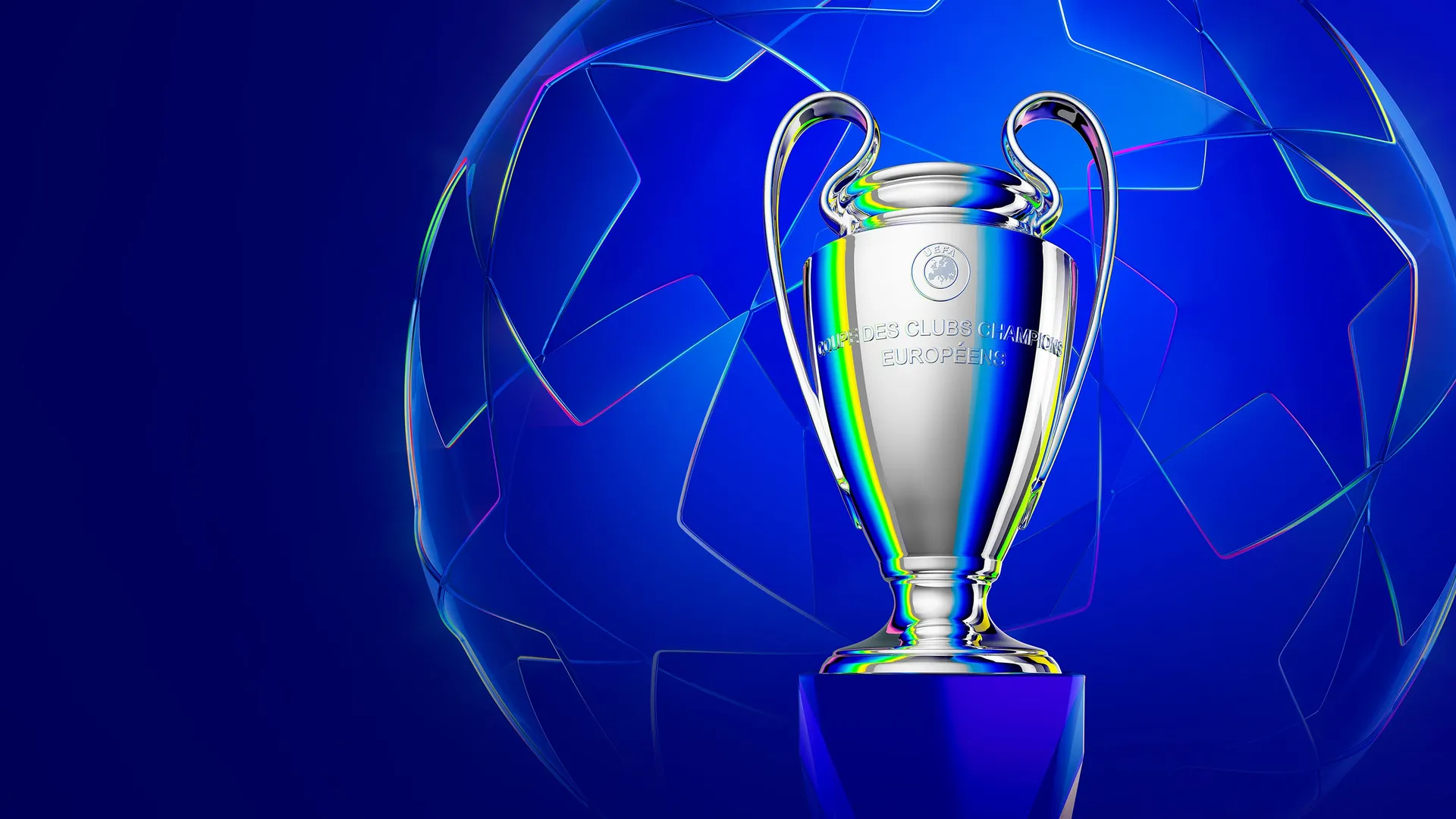
For over two decades, the UEFA Champions League ran on a familiar rhythm: 32 clubs, eight groups of four, six matches each, and a clean cut to the knockout round of 16. That format played out for the final time in the 2023-24 season. Starting in 2024-25, and now carried into subsequent seasons, UEFA replaced it with something entirely different: a 36-team "Swiss Model" league phase that has fundamentally changed how Europe's biggest club competition unfolds.
What Exactly Is the Swiss Model?
The name comes from Swiss-style tournament pairing systems used in chess, where competitors are ranked and matched against opponents of similar standing rather than being split into small, isolated groups. In the Champions League version, all 36 qualified clubs are placed into a single giant league table. Instead of facing every other team, each club plays eight matches against eight different opponents, drawn using a seeded system so that every team faces a mix of stronger and weaker sides, with four matches at home and four away.
This is a jump from the original proposal, which called for ten matches per team. UEFA settled on eight as a compromise between more elite fixtures and player workload concerns, which were already a major point of tension across the sport.
How Teams Advance to the Knockouts
Once all eight matches are played, the single league table determines who moves on. The top eight teams qualify directly for the round of 16. Teams finishing ninth through twenty-fourth enter a two-legged knockout playoff round to fight for the eight remaining spots in the round of 16. Anyone finishing twenty-fifth or lower is eliminated from Europe entirely for the season, with no parachute into the Europa League as under the old system. From the round of 16 onward, the competition reverts to the traditional two-legged knockout format fans have always known, eventually producing two finalists for a single-match final.
Why UEFA Made the Change
UEFA president Aleksander Ceferin framed the reform as a way to preserve competitive opportunity while modernizing the tournament, arguing the new structure keeps alive the dream of any club in Europe reaching the competition on merit, rather than concentrating power among a small self-selected group of giants. The timing was not incidental: the Swiss Model emerged directly out of the fallout from the breakaway European Super League proposal, and many saw it as UEFA's way of satisfying big clubs' appetite for more high-profile fixtures and revenue without letting them break away entirely.
More Elite Matchups, Earlier
One of the most-cited benefits of the new format is fixture quality. Under the old group-stage system, it was common for a genuine European heavyweight to be drawn into a group with three considerably weaker sides, playing out largely meaningless group games before the tournament truly began. The Swiss Model's seeded pairing system guarantees a broader spread of quality opponents for every club from matchday one, producing marquee clashes far earlier than fans were used to seeing.
New Qualification Wrinkles
The Swiss Model also introduced a new qualification mechanism called European Performance Spots. This rewards the two national associations whose clubs performed best in Europe the previous season with an additional league-phase slot, meaning a fifth team from those countries could qualify for the competition even without normally earning a spot through domestic league position alone. Combined with automatic places for the reigning Champions League and Europa League winners, the qualification picture has become noticeably more complex than the old system's straightforward domestic-table cutoffs.
Real Drama, Real Chaos
The inaugural 2024-25 season delivered on UEFA's promise of drama. Some of the sport's biggest names, including Real Madrid and Bayern Munich, failed to finish in the automatic top eight and were forced into the new playoff round just to reach the knockouts, something that would have been almost unthinkable to predict under the old group-stage format. That unpredictability, paired with a genuinely competitive 36-team table, gave the tournament a level of unpredictability it hadn't had in years.
The Lingering Criticism
Not everyone is convinced the format solves the sport's deeper issues. Critics point out that, in a league phase spanning 36 teams and eight matches apiece, the very best clubs still tend to rise to the top of the table regardless of format, meaning the increased drama is often concentrated around the qualification bubble rather than at the very top. There's also a broader concern echoed across modern sports leagues: a longer, more elaborate regular season can start to feel like an extended appetizer once the true stakes of the knockout rounds begin, since strong league-phase form doesn't reliably predict knockout success.
More Games, More Scrutiny on Player Welfare
The expansion from 32 to 36 teams, combined with eight fixtures instead of six per club in the league phase, means more matches overall, adding to an already congested European football calendar. This has intensified an ongoing debate among players' unions and managers about fixture congestion, injury risk, and whether European football's biggest clubs are simply being asked to play too much football across domestic leagues, cups, and now an expanded continental competition.
Where the Champions League Goes From Here
Two seasons into the Swiss Model era, the format looks like a permanent fixture of European football rather than a temporary experiment. It has delivered more high-profile matchups, genuine table drama, and a handful of shock results that wouldn't have carried the same weight under the old system. Whether it ultimately strengthens the competition's integrity or simply reflects Europe's biggest clubs consolidating more fixtures and revenue for themselves remains an open question, but for now, the Champions League looks nothing like the tournament fans watched just a few seasons ago.